


Off-roading is an exhilarating adventure, but maintaining control over rough and unpredictable terrain is essential for both safety and performance. Whether you're navigating deep mud, soft sand, slick snow, or rugged rocks, understanding the science of traction will help you drive smarter and avoid getting stuck.
In this guide, we’ll break down what traction is, how it works, and the best techniques and tools to keep your vehicle stable on any off-road terrain.
1. What Is Traction and Why Is It Important?
Traction refers to the friction between your tires and the ground. It determines how well your vehicle accelerates, turns, and brakes—especially in off-road conditions where the surface is loose, uneven, or slippery.
Several factors influence traction, including:
- Surface Type – Gravel, mud, snow, sand, and rocks each provide different levels of grip.
- Tire Tread & Design – Specialized off-road tires improve traction.
- Vehicle Weight Distribution – A balanced weight load helps maintain stability and prevent sliding.
Without proper traction, your tires can spin out, causing loss of control, getting stuck, or even vehicle rollovers in extreme conditions.
2. How Tire Design Affects Traction
Your tires are the most critical factor in off-road traction. Choosing the right type can make the difference between smooth navigation and getting bogged down.
Key Features of Off-Road Tires
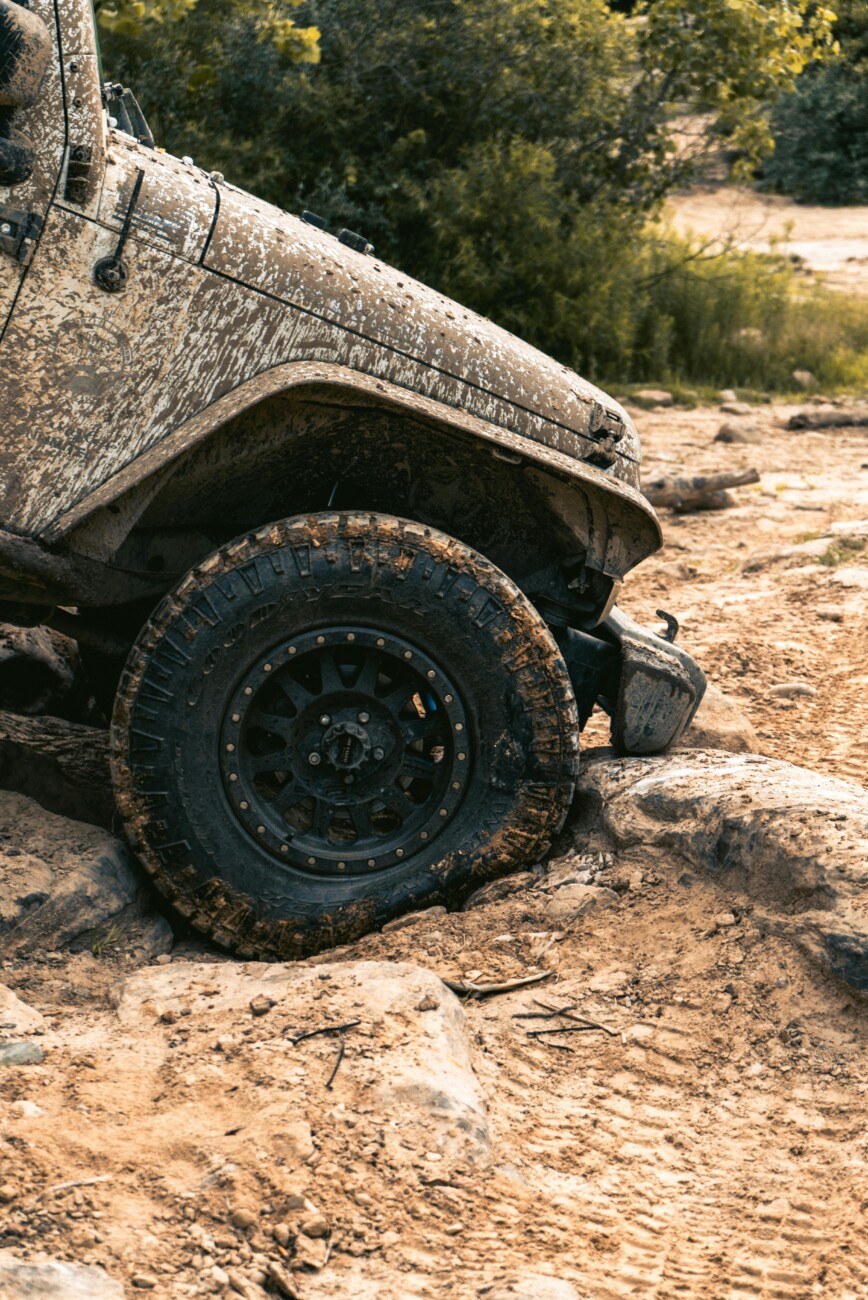
- Aggressive Tread Patterns – Deep lugs and wide spacing help tires dig into loose surfaces like mud and sand.
- Flexible Rubber Compounds – Softer rubber grips better on rocks and wet surfaces.
- Sidewall Reinforcement – Reduces the risk of punctures when driving over sharp rocks.
- Larger Contact Patch – Wider tires distribute weight more evenly, preventing sinking into soft terrain.
Why Lower Tire Pressure Helps Off-Road
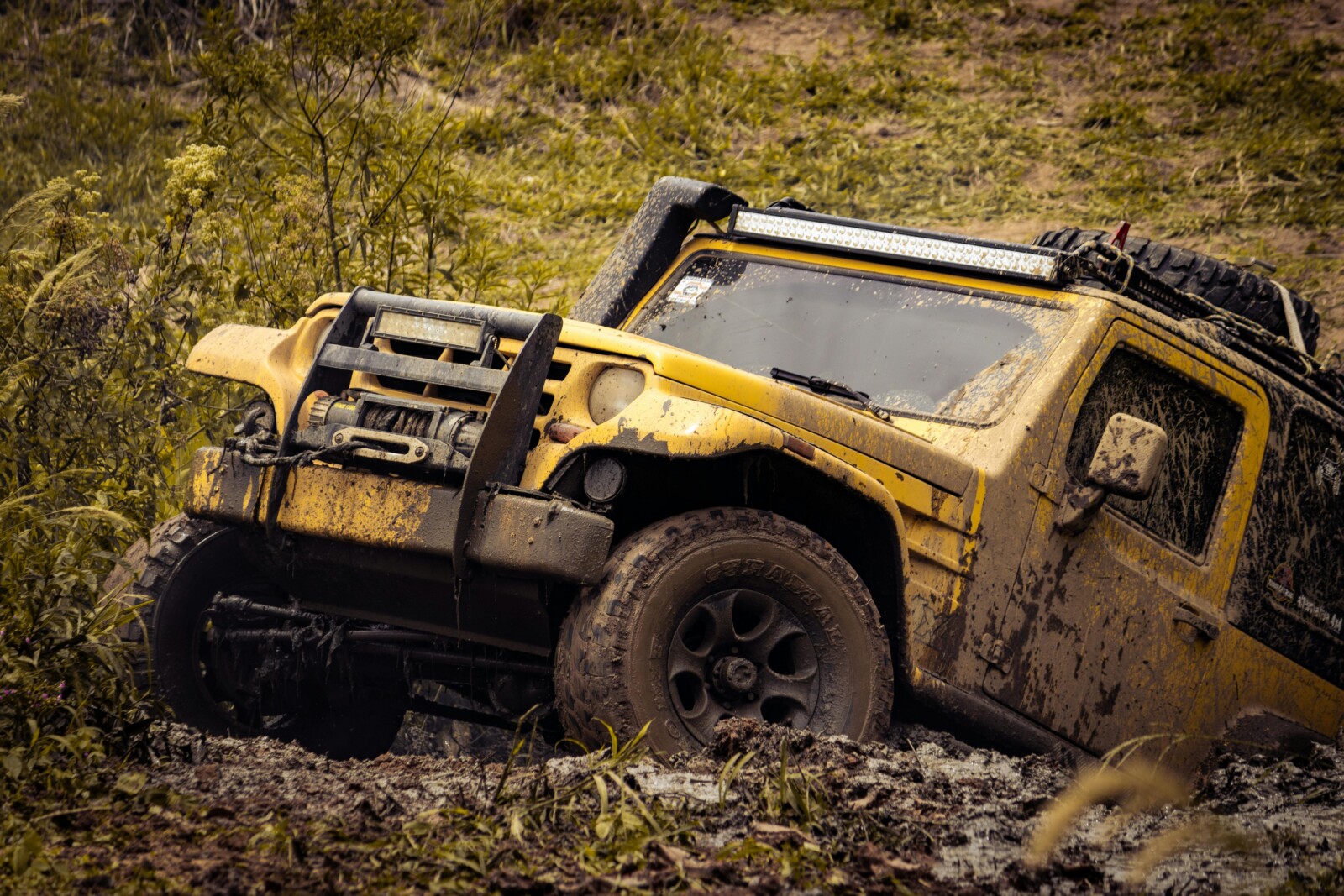
Reducing air pressure in your tires—called "airing down"—increases their contact with the ground, providing more grip on loose terrain like sand, snow, or mud. However, too much deflation can damage your rims, so it’s important to adjust pressure appropriately:
Rocky Terrain: 18-25 PSI for flexibility and grip.
Mud & Sand: 12-18 PSI to increase flotation.
Deep Snow: 10-15 PSI for better traction.
3. Pro Driving Techniques for Maximum Grip
Even with the best tires, your driving technique plays a huge role in maintaining traction. Here are some expert tips to help you stay in control:
Use Smooth Throttle Control – Sudden acceleration can cause wheel spin and loss of grip. Apply power gradually.
Steer with Control – Jerky steering can unsettle your vehicle, especially on loose terrain. Keep movements steady.
Brake Gradually – Sudden braking can lock the wheels and cause skidding. Use gentle braking and downshift when possible.
Engage 4WD or AWD When Needed –
- 4WD High (4H) for fast-moving dirt roads.
- 4WD Low (4L) for technical rock crawling or deep mud.
Approach Hills with Momentum – When climbing steep slopes, maintain a steady speed to avoid getting stuck. When descending, use engine braking instead of relying solely on brakes.
4. Essential Off-Road Traction Tools & Technology
No matter how well you prepare, off-roading can be unpredictable. Equipping your vehicle with traction-enhancing tools can be a lifesaver when conditions get tough.
- Locking Differentials – Ensure both wheels on an axle spin at the same speed for improved grip.
- Traction Boards – Provide extra grip when stuck in mud, sand, or snow.
- Winches & Tow Straps – Help recover your vehicle when traction fails.
- Skid Plates – Protect the undercarriage from damage on rocky trails.
- Electronic Traction Control (ETC) – Reduces wheel spin by braking slipping wheels and redirecting power to those with grip.
Check out some of the recovery gear we offer!
https://hjmoffroad4x4.africa/product-category/recovery-equipment
Investing in quality recovery gear can mean the difference between a minor setback and a major rescue operation.
Final Thoughts: Master Traction, Conquer Any Terrain
Off-roading is all about adapting to your environment. By understanding how traction works, choosing the right tires, and using smart driving techniques, you can safely navigate any terrain with confidence.
Before your next adventure, make sure your vehicle is equipped for the challenge, practice proper driving techniques, and always carry recovery tools in case the trail throws you a curveball.
💬What’s your toughest off-road challenge? Drop a comment below and share your experience!
0 Comments