


When it comes to vehicle performance and comfort, the suspension system plays a pivotal role. A vehicle suspension system is a critical component that absorbs shocks, improves handling, and enhances ride comfort.
Benefits of a High-Quality Vehicle Suspension System
- Improved Ride Comfort: A good suspension system absorbs shocks from uneven road surfaces, ensuring a smoother ride for passengers.
- Enhanced Vehicle Handling: By keeping the tires in contact with the road suspensions improve steering and cornering stability.
- Increased Safety: A well-maintained suspension system helps prevent loss of control, especially during sudden maneuvers.
- Reduced Wear and Tear: Proper suspension systems reduce the stress on other vehicle components, like the tires and chassis, extending their lifespan.
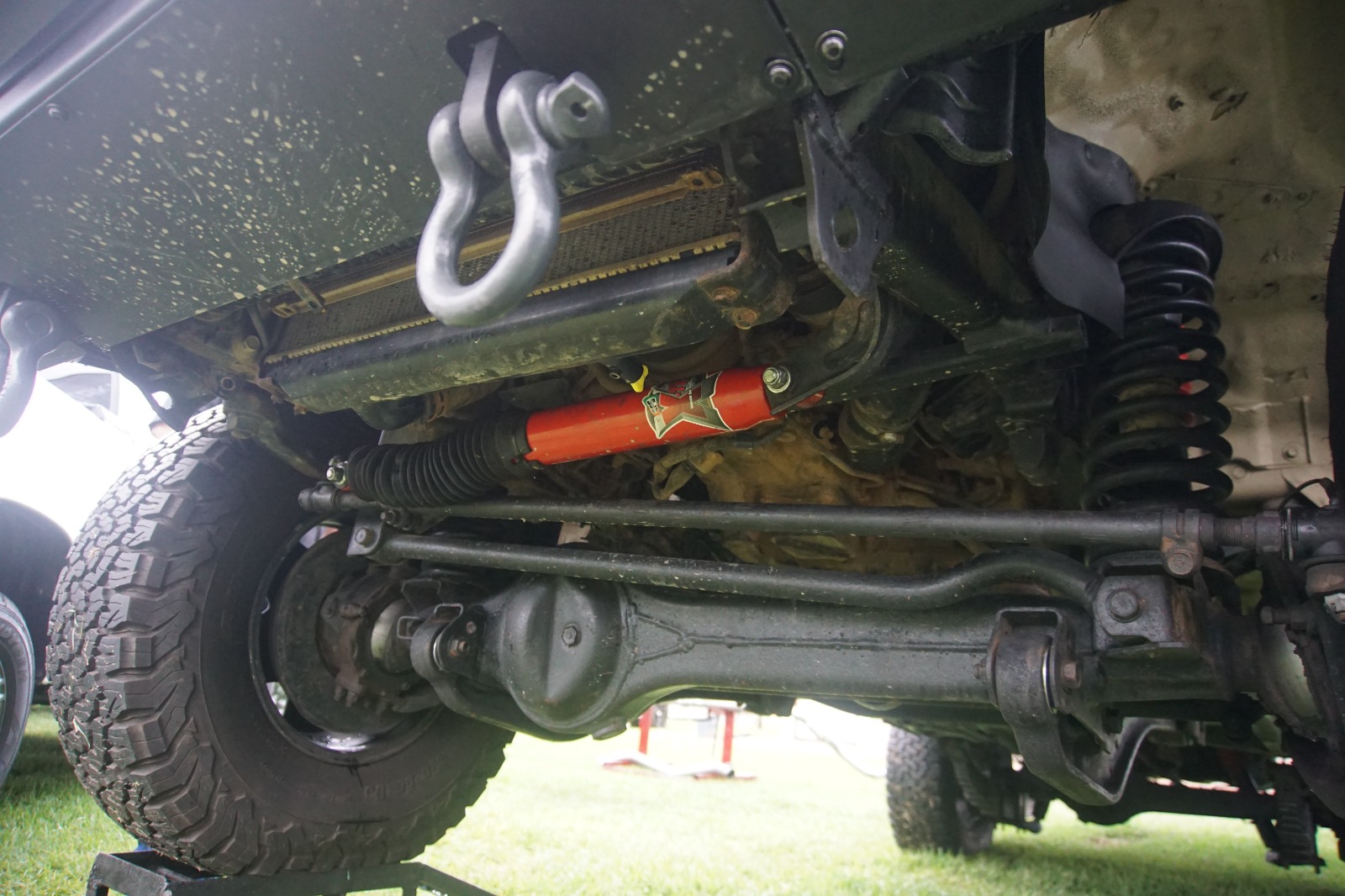
Types of Suspension Systems for Different Vehicles
- Dependent Suspension:
- Description: In this system, both wheels on the same axle are connected, so the movement of one wheel affects the other.
- Benefits: Simple design, cost-effective, and durable.
- Common Applications: Heavy-duty vehicles like trucks and buses.
- Independent Suspension:
- Description: Each wheel moves independently of the others, providing better handling and comfort.
- Types:
- MacPherson Strut: Commonly used in passenger cars due to its compact design.
- Double Wishbone: Offers superior handling, often found in sports and luxury cars.
- Multi-Link: Provides a balance between comfort and performance, popular in premium vehicles.
- Benefits: Better ride quality, improved road grip, and handling.
- Semi-Independent Suspension:
- Description: A hybrid system where the movement of one wheel partially affects the other.
- Benefits: Cost-effective and offers moderate ride comfort.
- Common Applications: Economy cars.
- Air Suspension:
- Description: Uses air springs instead of traditional coil springs.
- Benefits: Adjustable ride height and superior comfort.
- Common Applications: Luxury cars, SUVs, and commercial vehicles.
- Hydraulic and Hydropneumatic Suspension:
- Description: Uses hydraulic fluid or a mix of gas and fluid to absorb shocks.
- Benefits: Exceptional ride quality and adaptability.
- Common Applications: High-end luxury and specialty vehicles.
How to Choose a Suspension System Based on Weight Load
Choosing the right suspension system depends on the weight load and purpose of your vehicle. Here are some tips:
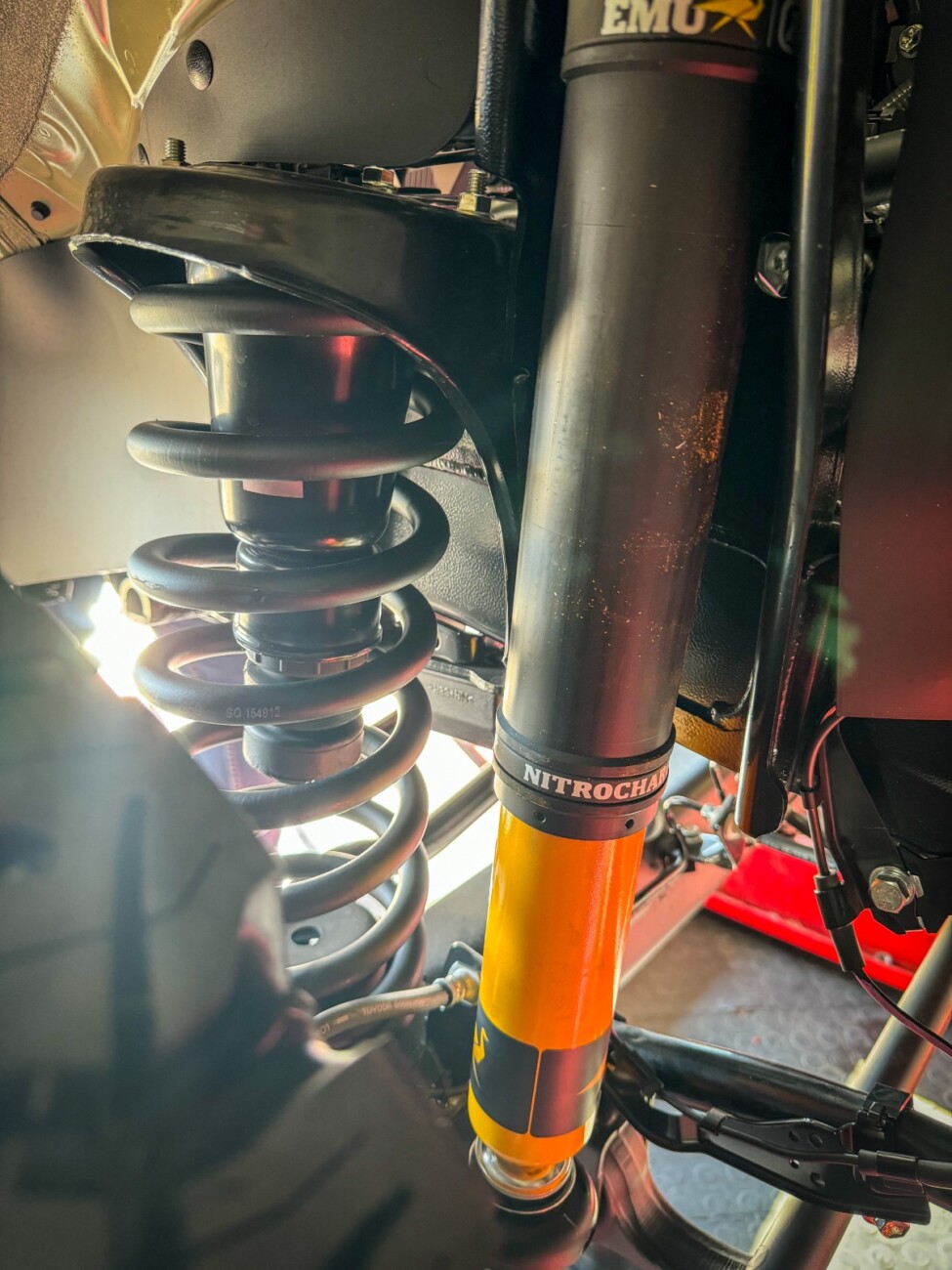
1. Lightweight Vehicles (Compact Cars):
- MacPherson Strut
- Basic independent suspension systems.
- Reasons: Prioritizes cost-efficiency and comfort for light loads.
2. Medium-Weight Vehicles (Sedans, SUVs):
- Multi-link
- Double wishbone systems.
- Reason: Balances performance, comfort, and load-bearing capability.
3. Heavy-Duty Vehicles (Trucks, Buses):
- Dependent suspension
- Advanced air suspension systems.
- Reason: Handles heavy loads effectively and ensures durability.
4. Performance Vehicles:
- Double wishbone
- Advanced independent systems.
- Reason: Optimized for high-speed handling and precision.
5. Luxury Vehicles:
- Air
- Hydropneumatic suspension.
- Reason: Offers unmatched comfort and adaptability to different driving conditions.
Maintenance Tips for Your Suspension System
- Regularly inspect your suspension for signs of wear and tear.
- Replace worn-out components like shocks and struts promptly.
- Ensure proper alignment and balance to prevent uneven wear.
- Use high-quality parts for replacements to maintain performance and safety.
The suspension system is a crucial component that significantly impacts your vehicle’s performance, comfort, and safety. By understanding the types of suspension systems and how to choose one based on weight load, you can ensure a smoother, safer, and more enjoyable driving experience. Whether you drive a compact car, a luxury sedan, or a heavy-duty truck, investing in the right suspension system is essential for long-term satisfaction. Ready to upgrade your vehicle’s suspension? Check out our range of high-quality suspension systems tailored for every vehicle type.
Old Man Emu Suspension | ARB 4×4 Accessories
Stay tuned for more tips and guides on vehicle maintenance and performance!
0 Comments